Tattoos have been part of human history for thousands of years. From early communities to modern society, people have used their bodies as a way of expressing identity, memory and meaning. More than just decoration, tattoos communicate ideas, beliefs and personal experiences.
Throughout history, different cultures have given different meanings to tattooing. In some societies, it represented honour, spirituality or protection. In others, it was used as a form of social marking or control. But across all periods, tattooing has always reflected a human need to tell stories through the body.
Understanding the history of tattoos also helps us understand the cultural evolution of humanity.
The prehistoric origins of tattooing
First of all, tattooing is far from a modern practice. The earliest evidence dates back to prehistoric times.
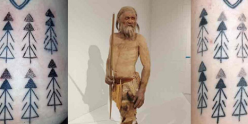
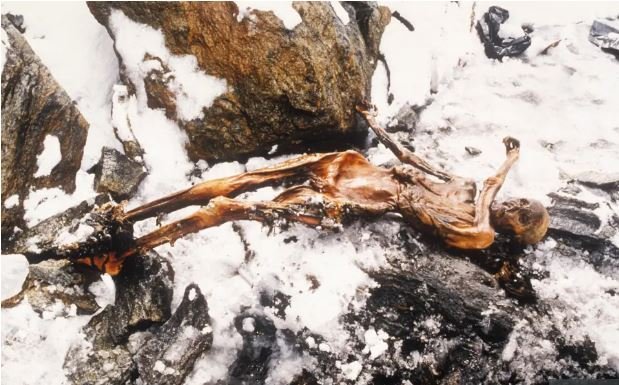
One of the most well-known examples is Ötzi, the famous Ice Man discovered in the Alps, dating back to around 3300 BC. His body was found with several dark pigment markings placed under the skin.
Interestingly, many researchers believe these marks may have had a therapeutic purpose. Several of them are located near joints or areas linked to physical pain. Because of this, some experts suggest they may have been used in a way similar to early forms of acupuncture.
Other archaeological discoveries also show that tattooing developed independently in different parts of the world. In other words, it does not belong to a single culture. Instead, it has appeared repeatedly across human history.
From the earliest records, tattooing has carried symbolic, medical and cultural meaning.
Tattoos in ancient civilisations
As major civilisations developed, tattoos began to take on more specific social roles.
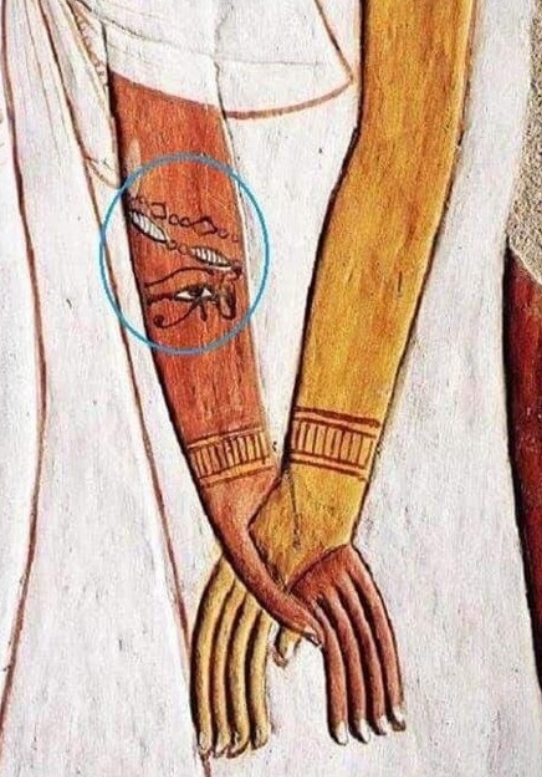
In Ancient Egypt, for example, tattoos have been found on female mummies. These markings were likely linked to fertility, spiritual protection or religious rituals. Some evidence also suggests that priestesses and women involved in spiritual practices used tattoos as a connection to the divine.
In other societies, however, tattoos had very different meanings.
In Ancient Greece and Rome, rulers used tattoos to mark slaves, criminals or prisoners of war. In this context, tattooing served as permanent identification, turning the body into a tool of control and surveillance.
On the other hand, many indigenous cultures developed rich symbolic tattoo traditions.
In Polynesia, for example, tattooing was part of coming-of-age rituals and social identity. Each symbol represented lineage, personal achievements or status within the community. The word “tattoo” itself comes from the Polynesian term tatau, meaning to mark the skin.
Depending on the culture, tattoos could represent honour, spirituality, identity or punishment.
Por outro lado, várias culturas indígenas desenvolveram tradições altamente simbólicas relacionadas com a tatuagem.
Nas ilhas da Polinésia, por exemplo, tatuar o corpo fazia parte de rituais de passagem e processos de afirmação social. Cada símbolo representava linhagem, conquistas pessoais ou posição dentro da comunidade. Além disso, a própria palavra “tatuagem” tem origem no termo polinésio tatau, que descreve o ato de marcar a pele ritualmente.
Portanto, dependendo da cultura, a tatuagem podia representar honra, espiritualidade, identidade ou punição.
Cultural exchange and the spread of tattooing
From the 18th century onwards, global exploration increased cultural exchange. During this time, tattooing became more visible in Europe.
During maritime voyages, European explorers came into contact with societies that already had strong tattoo traditions. One of the most well-known figures linked to this was the British explorer James Cook.
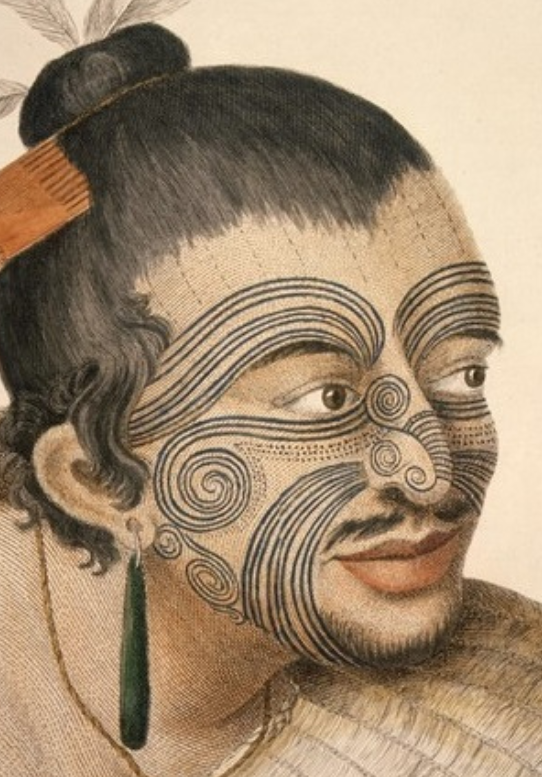
During his Pacific expeditions, Cook and his crew observed complex tattoo rituals in Polynesian cultures. Many sailors also chose to get tattooed while staying on the islands.
When they returned to Europe, these tattoos were shown as souvenirs of travel and symbols of bravery. As a result, tattooing became closely linked to maritime culture.
Over time, tattoos became common among sailors in Europe and North America. Anchors, ships and nautical stars became popular designs.
Although tattooing was still seen as marginal by many, it slowly began to spread across different social groups.
The professionalisation of modern tattooing
By the late 19th century, tattooing underwent a major transformation.
In 1891, Samuel O’Reilly patented the first electric tattoo machine in New York. Based on earlier engraving technology, he adapted the device to inject ink into the skin more efficiently and precisely.
This made tattooing faster, more consistent and more detailed.
Professional tattoo studios began to emerge, turning tattooing into a proper trade rather than an informal practice.
Artists like Martin Hildebrandt, one of the first professional tattooists in the United States, helped popularise tattooing among soldiers and working-class communities.
At the same time, women also began to enter the profession. Maud Wagner became one of the first known female tattoo artists, helping to expand visibility in the early 20th century.
Tattoos, identity and counterculture in the 20th century
For much of the 20th century, tattoos were strongly associated with specific social groups.
Soldiers, sailors, bikers and artists used tattoos as symbols of identity and belonging. For many, tattooing represented courage, independence or cultural resistance.
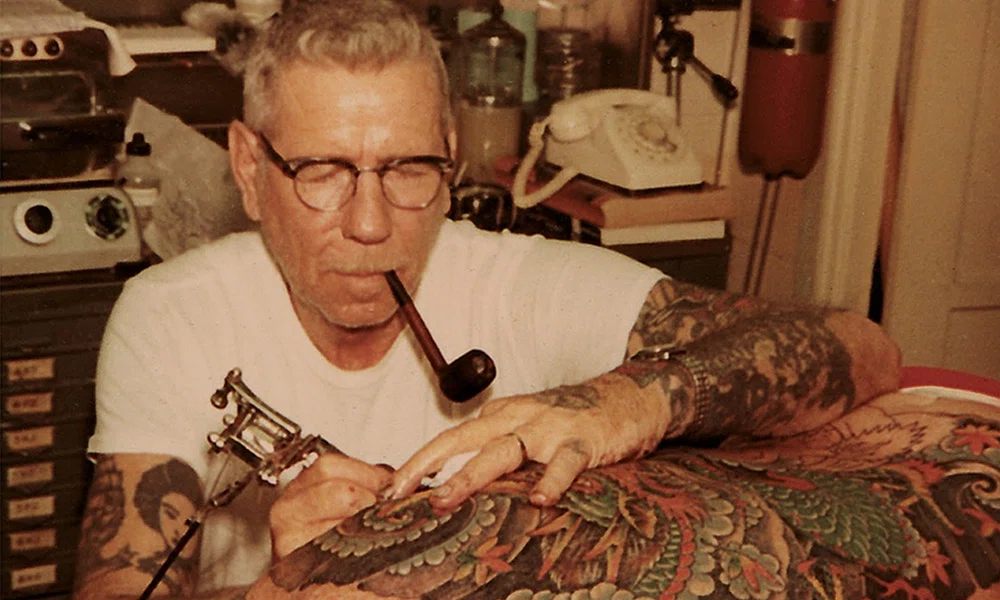
In the United States, one of the most influential artists of this era was Sailor Jerry. His bold style helped define traditional American tattooing.
Popular motifs included anchors, eagles, pin-up girls, hearts and flags — symbols of adventure, patriotism and life experience.
In Japan, tattooing also developed into highly complex body compositions, often covering large areas of skin. These works frequently feature dragons, samurai, koi fish and mythological figures.
Despite its artistic value, Japanese tattooing faced long-standing social stigma and was often associated with organised crime.
Throughout the 20th century, tattooing existed between two extremes: respected as art, but also surrounded by social taboo.
The modern acceptance of tattoos
In recent decades, tattoos have undergone a major cultural shift.
They are now widely recognised as a legitimate form of art and personal expression. A key factor in this change has been the visibility of tattoos on celebrities, athletes and public figures.
At the same time, improvements in hygiene standards, equipment and regulation have made tattoo studios safer and more professional.
New styles have also expanded the art form, including:
- realism
- minimalism
- watercolour
- blackwork
- geometric
- neo-traditional
As a result, tattooing has become a highly diverse and respected art form.
Today, people from all walks of life choose tattoos to express individuality and meaning.
The lasting meaning of tattoos
Despite all cultural changes, one thing remains the same: the emotional meaning behind tattoos.
For many, a tattoo represents memory, tribute or personal transformation. Others use tattoos to mark milestones or important moments in life.
Each generation continues to reinterpret tattooing according to its own cultural and aesthetic values. New techniques emerge, while traditional styles are constantly reimagined.
Although tattooing has thousands of years of history, it continues to evolve.
Conclusion
The history of tattooing is closely connected to the history of humanity itself.
From ancient therapeutic markings to modern artistic masterpieces, the human body has always been a canvas for expression. Different societies have used tattoos to communicate identity, spirituality, power and resistance.
Over time, tattooing has moved through periods of acceptance, rejection and rediscovery — but it has never disappeared.
Today, it stands as a global art form. Artists create highly sophisticated work, while millions of people use tattoos to tell their personal stories.
And so, when we look at a tattoo today, we see far more than ink on skin. We see a living tradition that continues to connect people across time, culture and identity.