The Origins of Tattooing Before Machines
The story of the tattoo machine starts long before any electrical technology existed. For thousands of years, tattoos were done entirely by hand using simple tools. Different cultures developed their own ways of getting pigment into the skin.
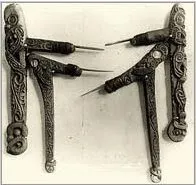
Ancient civilisations used bones, thorns, animal teeth, or sharpened pieces of wood to pierce the skin. These tools allowed ink to be applied slowly, dot by dot.
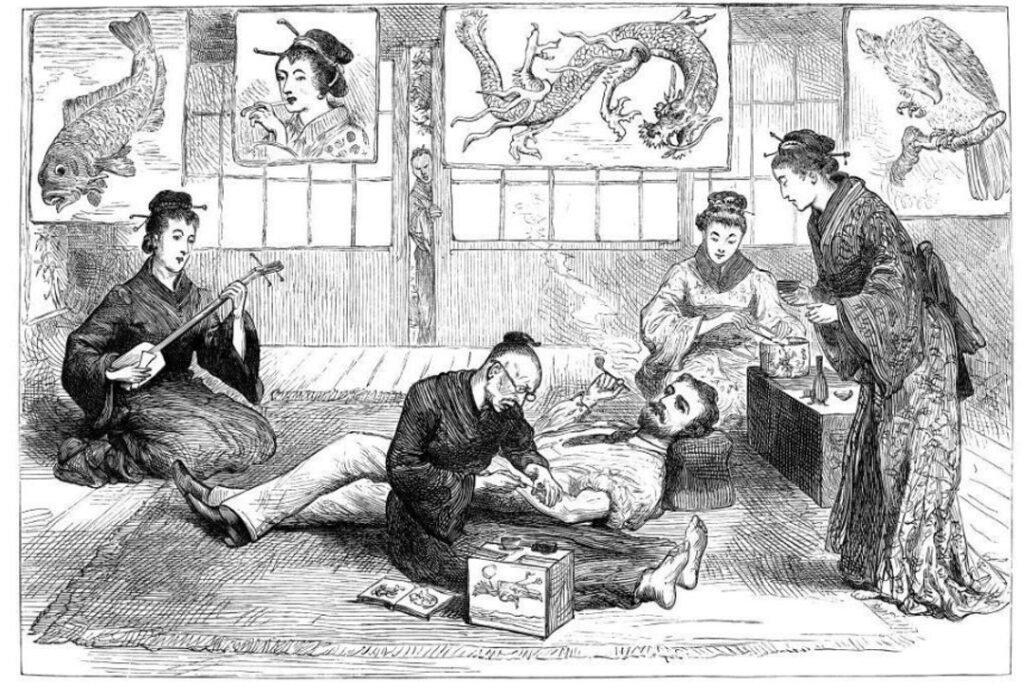
Even so, the process was slow and required a huge amount of precision from the artist. A single tattoo could take hours, sometimes even days, to finish.
On the other hand, some cultures refined hand-poking techniques to an incredibly high level. In Japan, for example, the tebori method became famous for its precision and deep artistic quality.
Despite the craftsmanship behind these traditional methods, the demand for faster and more efficient techniques eventually led to the creation of the modern tattoo machine.
The Invention That Inspired the Tattoo Machine
The evolution of the tattoo machine is directly linked to an invention from the 19th century.
In 1876, Thomas Edison developed a device called the electric pen. It was designed to copy documents using a perforating system on paper.
The electric pen used a small motor that moved a needle rapidly up and down. Although it wasn’t created for tattooing, its mechanism caught the attention of several artists.
As a result, some tattooists realised this technology could be adapted to inject ink into the skin far more efficiently.
That adaptation would go on to completely change the history of tattooing.
The First Electric Tattoo Machine
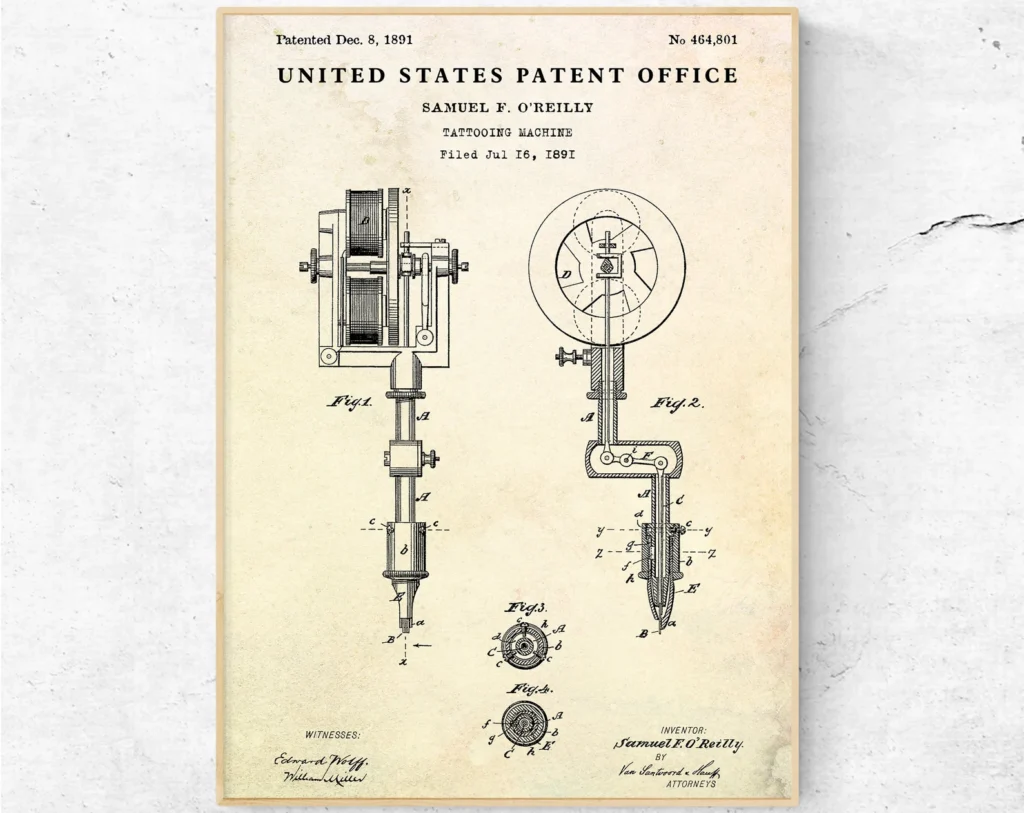
The first patented tattoo machine appeared in 1891.
It was developed by Samuel O’Reilly, a tattoo artist working in New York.
O’Reilly adapted Edison’s electric pen mechanism and turned it into a machine capable of depositing ink into the skin using needles.
His invention included:
- a moving needle system
- an ink reservoir
- a continuous electric puncturing mechanism
Thanks to this innovation, tattoo artists could work much faster and with far greater precision.
From there, tattoos started becoming more popular towards the end of the 19th century.
The Evolution of Coil Machines
After the first electric machine was invented, tattoo artists continued refining the equipment.
One of the most important names in this evolution was Charlie Wagner, who made significant improvements to the machine’s design.
Wagner introduced the electromagnetic coil system, which quickly became the industry standard.
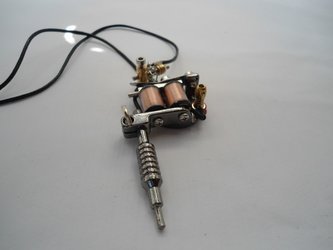
Coil tattoo machines
These machines use an electrical current to create a magnetic field that moves a needle bar up and down.
This allows the artist to control:
- needle speed
- depth of penetration
- linework or shading style
For much of the 20th century, coil machines were the main tool used in tattoo studios.
The Popularisation of Tattoos in the 20th Century
As tattoo machines evolved, the art form spread across the world.
In the early 1900s, tattoos were often associated with:
- sailors
- military personnel
- circus performers
However, that perception slowly started to shift.
During the 1960s and 70s, tattoos became a symbol of personal expression and alternative culture. New artistic styles emerged, increasing public interest even more.
At the same time, improvements in tattoo machines allowed for more detailed and complex designs.
The Rise of Rotary Machines
While coil machines dominated the industry, a new type of device started gaining popularity.
Rotary machines use an electric motor to move the needles in a smooth, continuous motion.
This system comes with several advantages.
First of all, these machines are generally quieter. They also produce less vibration, making the tattooing process more comfortable.
Advantages of rotary machines
- lower noise
- reduced vibration
- higher precision
- lighter design
For these reasons, many modern tattoo artists prefer rotary machines.
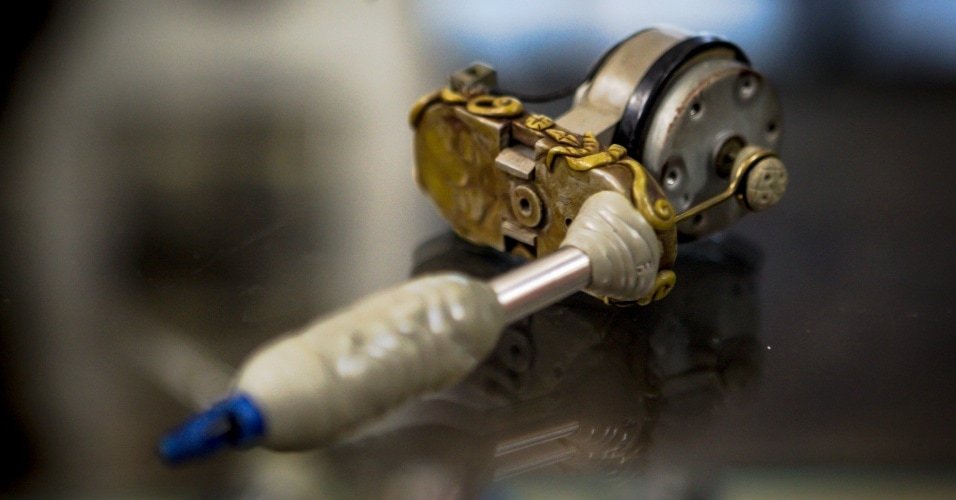
Modern Tattoo Machine Technology
In recent years, tattoo machine technology has evolved even further.
Today, many studios use machines with disposable cartridge needle systems, greatly improving hygiene standards.
Modern machines also come with advanced features:
- digital voltage control
- quieter motors
- lighter materials
- ergonomic designs
- sterilised cartridges
As a result, artists can work with more precision, consistency, and comfort than ever before.
The Importance of the Machine in Tattoo Quality
While the artist’s skill is everything, the quality of the tattoo machine also plays a big role in the final result.
A professional machine allows for cleaner lines and smoother shading.
It also helps reduce skin trauma during the process.
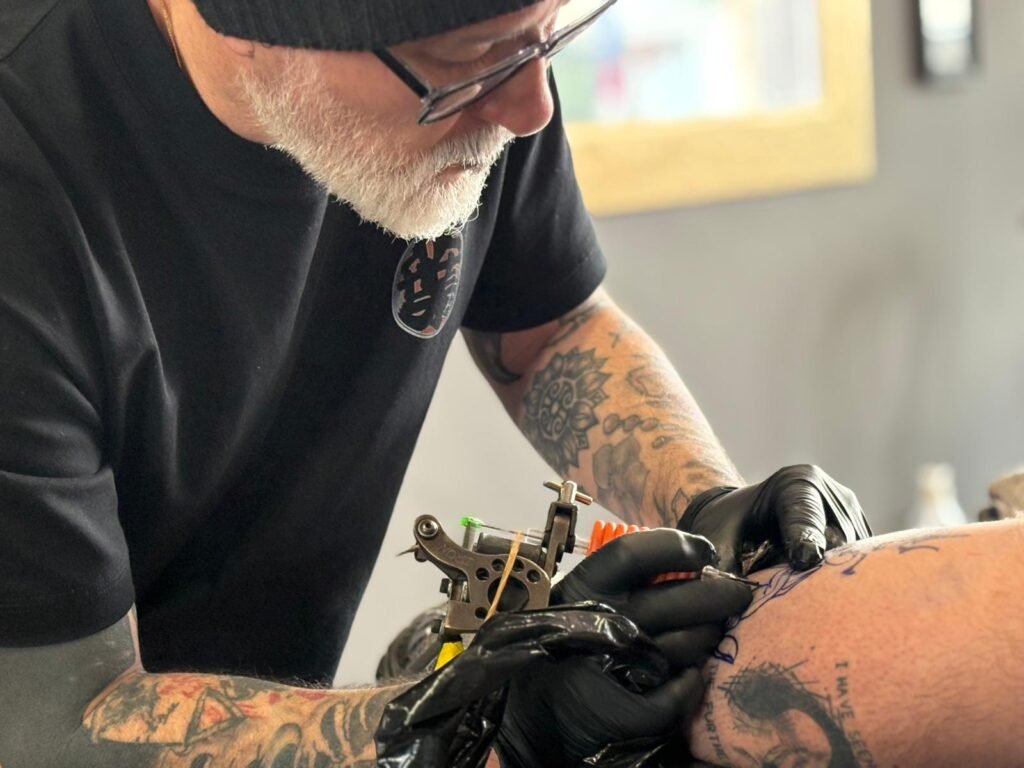
At Kintaro Tattoo Shop, we use modern equipment and high-quality materials to make sure every tattoo is safe, clean, and built to last.
The Future of Tattoo Machines
Technology isn’t slowing down anytime soon.
In the coming years, we can expect even more advanced machines to be developed.
Some trends include:
- lighter machines
- even quieter motors
- greater digital control
- new needle systems
The mix of technology and art will keep pushing tattooing forward, shaping the future of the industry in exciting ways.