Introduction to Ornamental Tattoos
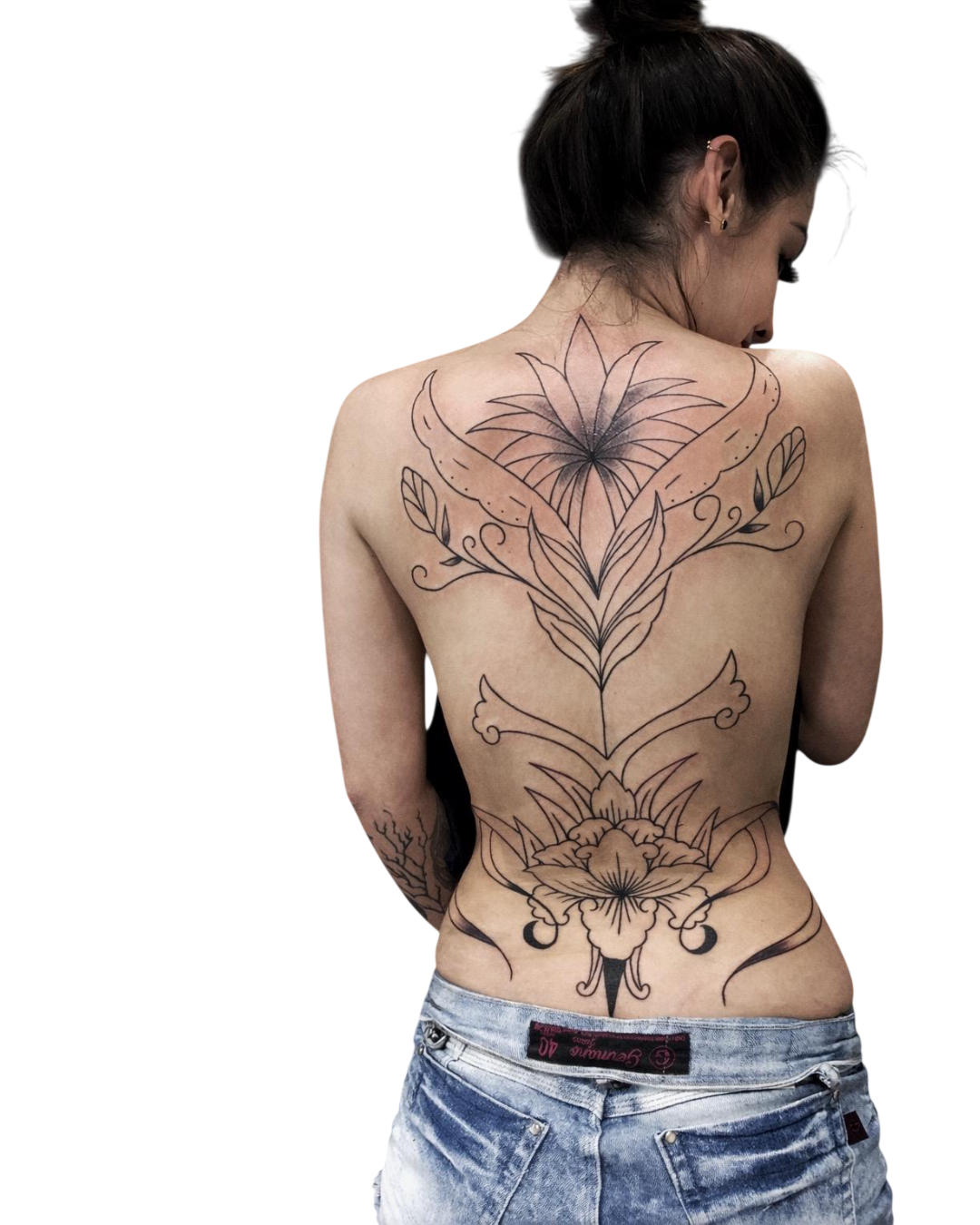
Ornamental tattoos have, in recent years, become one of the most refined forms of body art.
Firstly, they stand out primarily for symmetry, elegance, and highly detailed compositions.
However, their roots go far back in history, where patterns carried spiritual and cultural meaning.
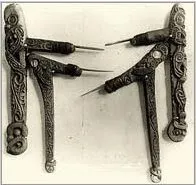
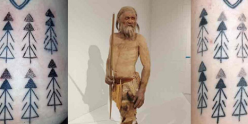
In fact, many ancient societies used body markings for identity, status, and protection.
Meanwhile, modern tattoo culture has gradually reshaped these traditions into artistic expression.
As a result, ornamental tattoos now successfully blend heritage with contemporary design.
Origins of Ornamental Tattoos
Ancient cultural influence
Ornamental tattoos were, above all, inspired by multiple ancient cultures.
Early societies frequently used geometric patterns in rituals and ceremonies.
For example, tribal groups used body markings to represent spiritual protection and identity.
Similarly, Middle Eastern and Asian cultures applied ornamental patterns in architecture and art.
According to the history of body art documented by Britannica, decorative symbolism has existed across civilizations for thousands of years:
https://www.britannica.com/art/tattoo
Therefore, these visual languages naturally transitioned into tattoo art over time.
Key Characteristics of Ornamental Tattoos
Ornamental tattoos are defined, first and foremost, by precision and structure. Typically, fine lines and repetitive patterns are carefully balanced. Additionally, symmetry and flow
Moreover, symmetry plays a major role in composition. In addition, designs are often built to feel visually balanced and harmonious.
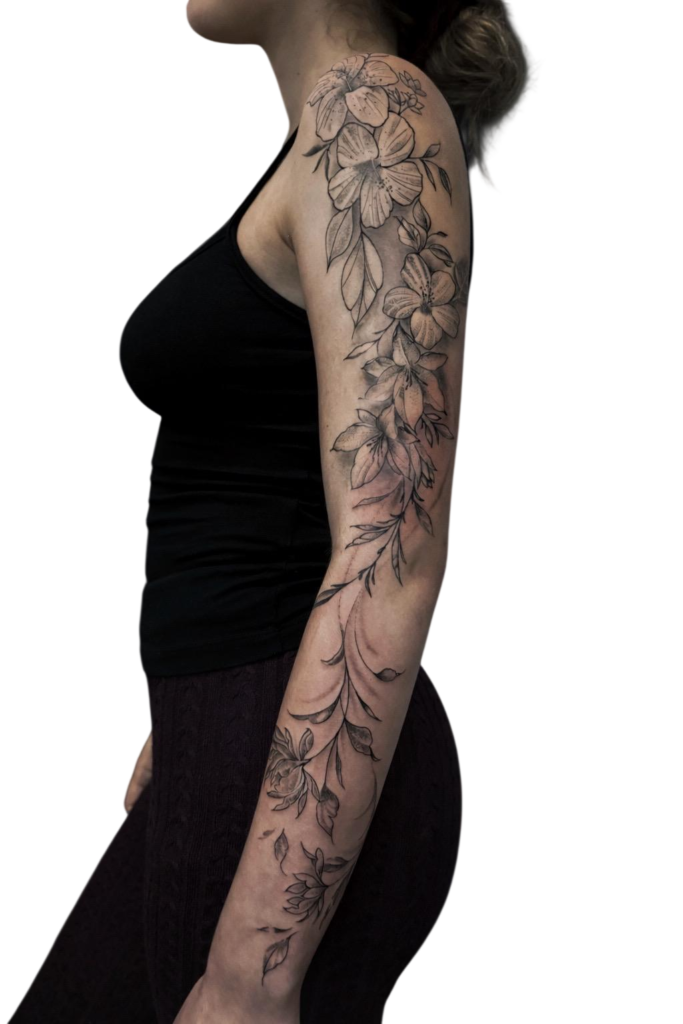
On the other hand, body adaptation
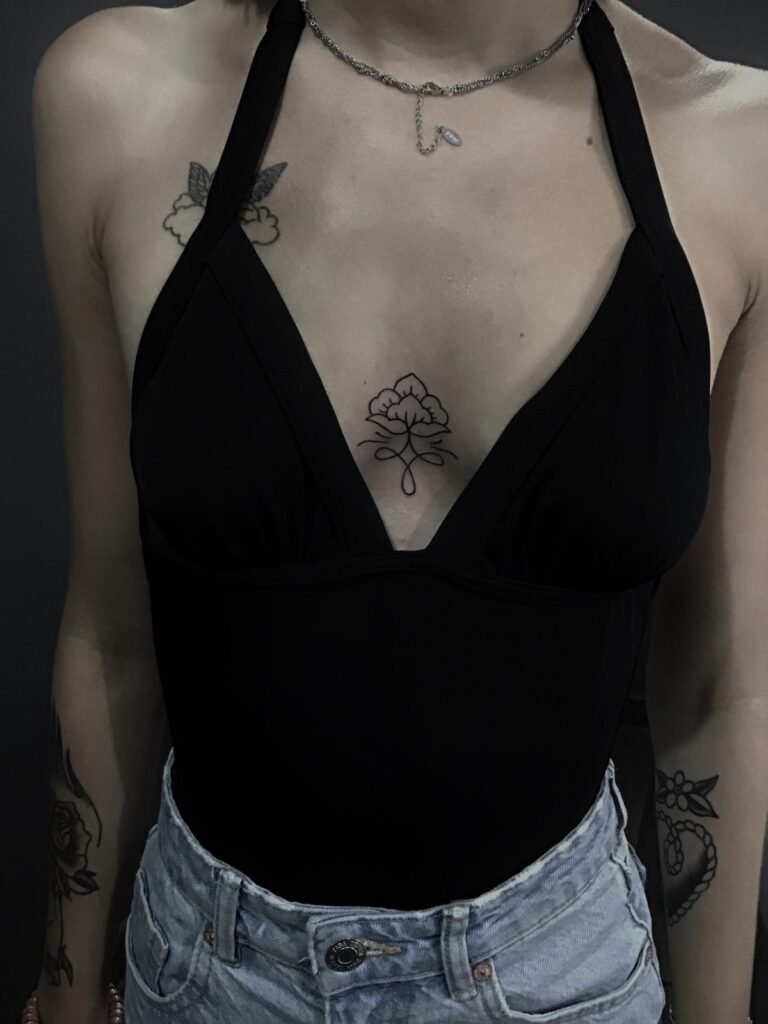
Furthermore, the tattoo is designed to follow natural body movement. As a result, this ensures the artwork flows with anatomy rather than against it. Consequently, placement becomes just as important as design itself. Therefore, experienced artists are essential for this style.
Evolution of Ornamental Tattooing
Over time, ornamental tattoos have evolved significantly.
Initially, they were deeply connected to spiritual traditions.
However, globalization gradually changed how artists interpret these patterns.
During the 20th century, tattooing became, in fact, far more accessible worldwide.
Furthermore, technological improvements allowed finer detailing.
As a result, ornamental styles became more complex and refined.
Research on tattoo history from the Smithsonian highlights how modern tattooing evolved through cultural exchange:
https://www.si.edu/spotlight/tattoos
Popular Ornamental Tattoo Styles
Geometric Tattoos
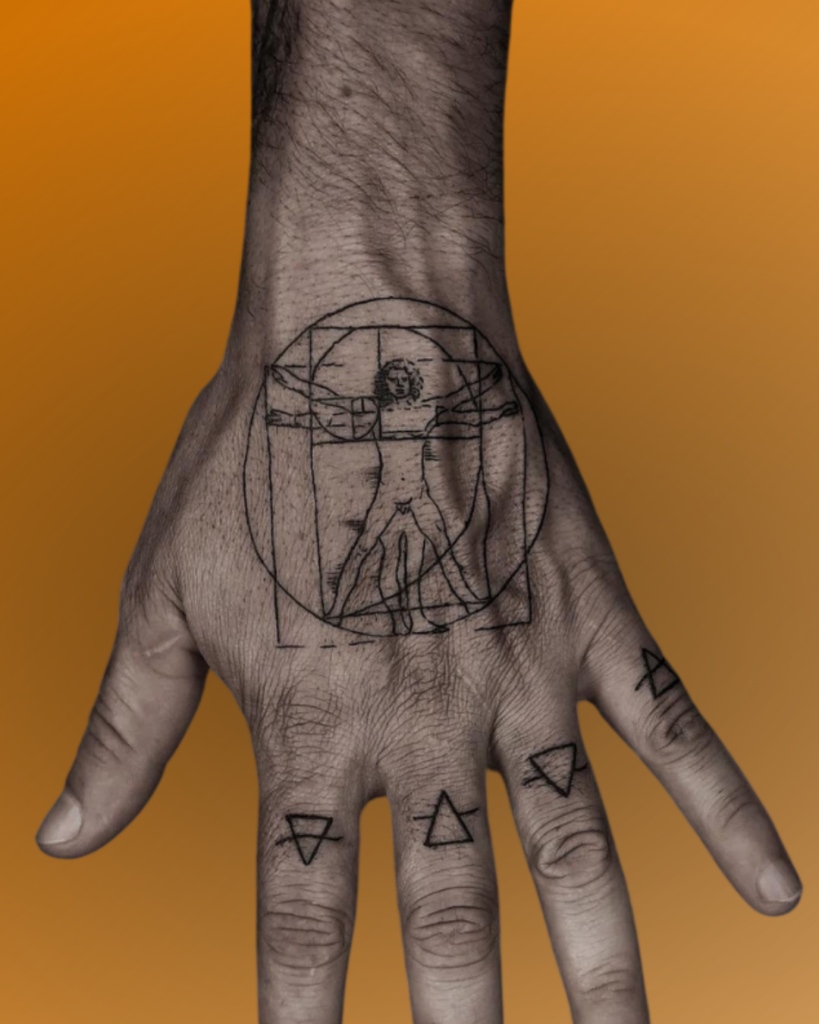
Geometric tattoos use structured shapes such as circles, triangles, and lines.
These elements, therefore, create balanced and visually hypnotic compositions.
Additionally, precision is absolutely critical in this style.
In contrast, even a small mistake can affect the entire design.
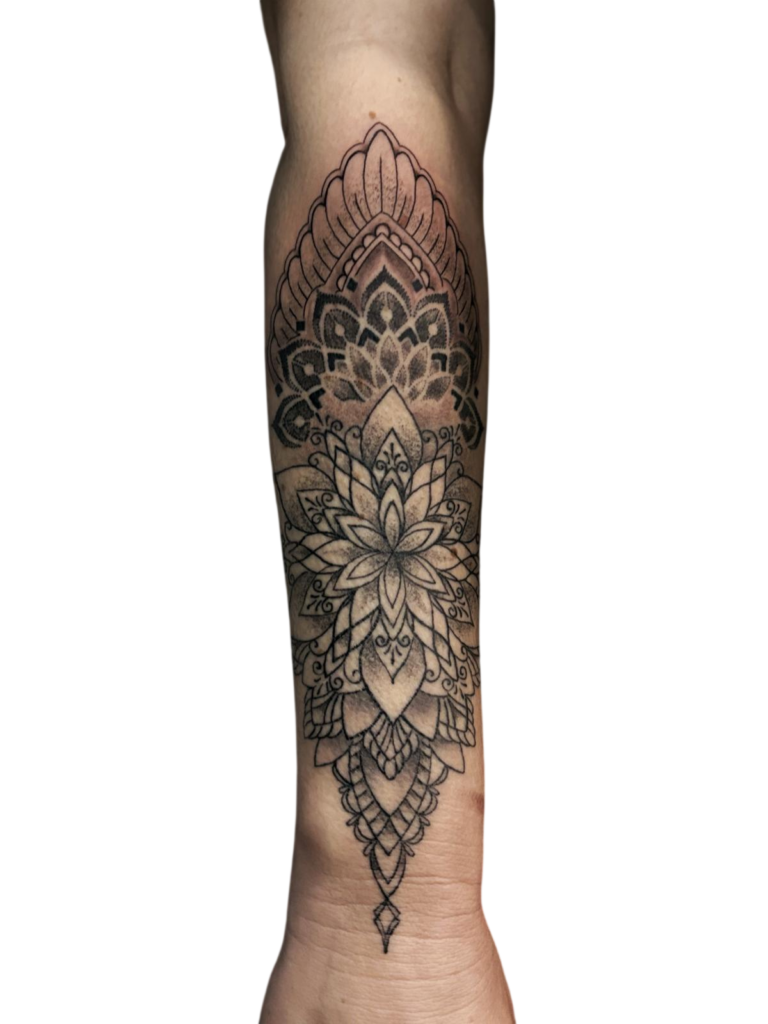
Mandala Tattoos
Mandala tattoos represent, above all, harmony, balance, and inner connection.
They are built from a central point and expand outward symmetrically.
Moreover, they adapt naturally to areas like the back, shoulders, and knees.
As a result, body flow significantly enhances the design.
In many cases, mandalas are personalised with floral or symbolic elements.
Therefore, each piece becomes entirely unique.
Arabesque Style Tattoos
Arabesque tattoos are inspired by Islamic art and architecture.
They feature flowing curves and, at the same time, continuous decorative patterns.
Unlike geometric designs, this style feels more organic and fluid.
Consequently, it creates elegant movement across the skin.
Furthermore, it works particularly well on arms, ribs, and large body areas.
Contemporary Tattoos
Modern ornamental tattoos combine multiple influences seamlessly.
Geometric, floral, and abstract elements are often merged together.
In addition, artists now have greater creative freedom with no strict rules.
This allows, therefore, highly personalised designs.
As a result, each tattoo becomes a truly unique visual composition.
Fine Line Tattoos
Fine line ornamental tattoos use extremely thin strokes.
They create delicate and subtle compositions.
Moreover, this style has become highly popular in modern studios.
It offers elegance while maintaining minimal visual weight.
However, precision is still absolutely essential due to the thin structure.
Therefore, experienced artists are required.
Blackwork Tattoos
Blackwork ornamental tattoos use solid black ink combined with strong contrast.
In this case, negative space plays a major role in composition.
In addition, this style creates bold visual impact.
It is often used, consequently, in larger and more expressive pieces.
As a result, the final artwork feels powerful and contemporary.
Ornamental Tattoos in Modern Culture
Today, ornamental tattoos are widely requested in studios worldwide.
They combine, above all, aesthetics with personal meaning.
Moreover, customization has become essential in modern tattooing.
Each design is now carefully tailored to the client’s body and vision.
At Kintaro Tattoo Shop, ornamental tattoos are created with precision and artistic focus.
Every project is individually designed to match anatomy and style.
You can explore more work here: https://kintarotattooshop.com
Tattoo Aftercare and Longevity
Proper care is, without a doubt, essential for preserving ornamental tattoos.
Before the session, skin should be kept healthy and well hydrated.
After the tattoo, however, following aftercare instructions is crucial.
Otherwise, healing quality may be significantly affected.
Additionally, sun exposure should be strictly avoided during healing.
This helps, therefore, maintain line clarity and detail.
For professional aftercare guidance, you can refer to Healthline’s tattoo care guide:
https://www.healthline.com/health/tattoo-aftercare
Future of Ornamental Tattoos
Ornamental tattooing continues, in fact, to evolve rapidly.
New hybrid styles are emerging across studios worldwide.
Furthermore, technology is steadily improving precision and consistency.
This allows, consequently, even more detailed designs.
As a result, demand for custom ornamental tattoos keeps growing.
Therefore, the style remains highly relevant in modern tattoo culture.
Conclusion
Ornamental tattoos have, over time, transformed from ancient symbolism into modern art.
They combine tradition, precision, and creativity in a truly unique way.
Moreover, their adaptability ensures continuous evolution in the future.
If you want a timeless and elegant tattoo, this style is, without doubt, an excellent choice.